Balancing Macros Without the Math: The Ultimate Intuitive Portion Guide

Balancing Macros Without the Math: The Ultimate Intuitive Portion Guide
Introduction: Why Focus on Macros?
Macronutrients—proteins, fats, and carbohydrates—are the fundamental building blocks of our diet. While calorie counting focuses on the total energy intake, understanding and balancing macros can transform how your body uses that energy. Rather than obsessing over every calorie, focus on ensuring your body receives the right nutrients for optimal function.
Why Macronutrients Matter More Than Calories
- Protein: Essential for muscle repair, growth, and satiety. Aim for 20–30g per meal. Sources include lean meats, dairy, and legumes.
- Carbohydrates: Provide energy for the brain and physical activities. Fill ¼ of your plate with complex carbs such as sweet potatoes or quinoa.
- Fat: Necessary for hormone production and nutrient absorption. Include a thumb-sized portion per meal using sources like avocado or nuts.
| Macro | Primary Role | Daily Target | Whole-Food Sources |
|---|---|---|---|
| Protein | Muscle repair & growth; satiety | 20–30g per meal | Lean meat, eggs, dairy, legumes |
| Carbohydrates | Brain & workout fuel; gut health | Fill ¼ plate + fiber | Sweet potatoes, oats, quinoa, fruit |
| Fat | Hormone production; nutrient absorption | Thumb-sized serving | Avocado, nuts, seeds, olive oil |
The Plate Method: A No-Math Approach to Eating
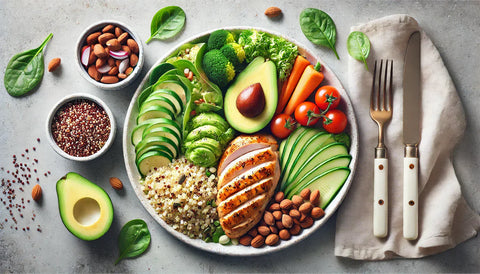
The Plate Method simplifies macro balancing: visualize your plate divided into sections to guide your meal composition.
| Plate Section | Portion | Benefits | Example Plate |
|---|---|---|---|
| ½ Veggies & Fruit | Half plate | High fiber + micronutrients | Spinach salad with berries |
| ¼ Protein | Palm-sized | Keeps you full + builds muscle | Grilled chicken breast |
| ¼ Complex Carbs + Healthy Fat | Quarter plate + thumb | Sustained energy + satiety | Brown rice + avocado drizzle |
Seven Practical Strategies for Intuitive Eating
-
Prioritize Protein First
- Target 20–30g per meal.
- Use protein powders in smoothies, oats, and baked goods.
-
Choose Fiber-Rich Carbs
- Swap white rice for quinoa or cauliflower rice.
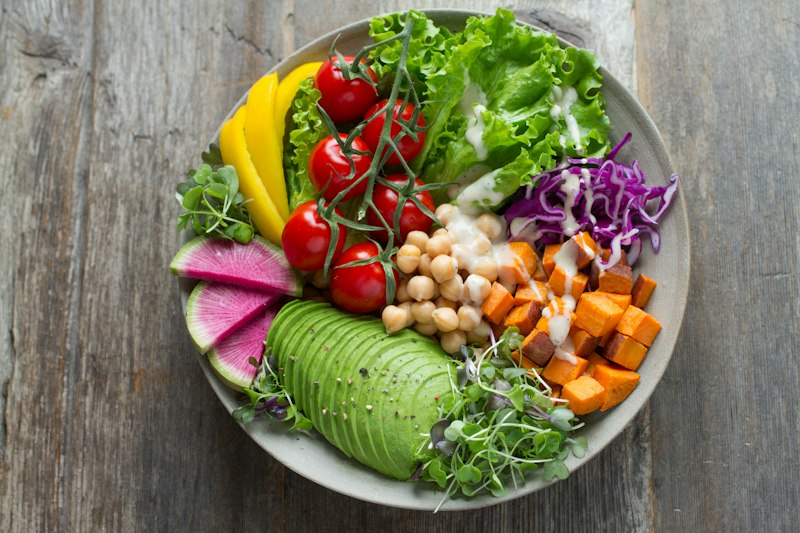
- Incorporate vegetables in every meal.
-
Include Healthy Fats Strategically
- Aim for a thumb-size of fat per meal (≈1 tbsp oil, ¼ avocado).
- Prefer whole sources like nuts and seeds over processed oils.
-
Meal Prep with Macro Balance in Mind
- Batch cook lean proteins, roast veggies, and prepare grains.
- Create balanced bowls for easy meal choices.
-
Hydrate First
- Drink a glass of water before meals to assess true hunger.
-
Practice Mindful Eating
- Chew slowly and eliminate distractions. Pause at 50% and 75% eaten to assess fullness.
-
Use Simple Swaps
- Greek yogurt for sour cream, zucchini noodles for pasta, and cauliflower mash for potatoes.
Frequently Asked Questions
Do I need a scale?
No. Use your hand as a guide: palm for protein, fist for carbs, thumb for fats.
What about treats?
Enjoy them! Include small portions of favorite foods alongside balanced meals. Consistency beats perfection.
How do I know if it’s working?
Monitor energy levels, hunger patterns, and strength gains. Adjust portion sizes intuitively based on how you feel.
Can this method work for weight loss?
Yes, by maintaining a balanced intake and listening to your body's hunger cues, weight loss can be achieved without calorie counting.
How do I adjust for different activity levels?
Increase carbohydrate portions if engaging in more physical activities and adjust protein intake to support muscle recovery.
Sample Day of Balanced Eating
| Time | Meal | Macros Focus |
|---|---|---|
| 7:30am | Veggie omelet + whole-grain toast + mixed berries | Protein + fiber |
| 10:00am | Vanilla Protein Smoothie + handful almonds | Protein + healthy fat |
| 12:30pm | Grilled salmon salad (mixed greens, quinoa, olive oil) | Balanced plate |
| 3:00pm | Greek yogurt + apple slices + cinnamon | Protein + carbs |
| 6:30pm | Turkey chili (beans, veggies) + steamed broccoli | Fiber + protein |
| 8:30pm | Dark chocolate square + herbal tea | Treat in moderation |
The Takeaway
Balancing macros without counting calories not only simplifies your eating habits but enhances your ability to:
- Eat intuitively, reducing stress around food.
- Fuel your body for performance, recovery, and longevity.
- Build sustainable habits that support lifelong health and wellbeing.
By focusing on portion control with the Plate Method, you can enjoy a balanced diet that meets your nutritional needs without the burden of constant calorie tracking.
Ready to Simplify Your Nutrition?
👉Download our FREE Plate Method Cheat Sheet —complete with portion visuals, meal planner templates, and 10 easy recipes—so you can master macro balance starting today!
Try This Recipe!
Inspired by this article? Here's a delicious recipe you can make right now.

Grilled Lemon Garlic Chicken
Try This Recipe!
Inspired by this article? Here's a delicious recipe you can make right now.